HAIR CARE
20 Best Hair Care Products for Black Kids’ Hair

Some Product may contain affiliate links, Meaning We get a commission if you decide to make purchase through my link at no additional cost to you.
Best hair care products is a must addition in your hair care journey.It has been an exciting year for haircare enthusiasts, with innovative styling hair products, high-tech beauty tools, and transformative scalp treatments making waves. Whether you’re looking to achieve salon-quality styling, maintain your hair’s health, or rejuvenate your scalp, this list has you covered. Let’s dive into the must-have hair products across four essential categories: styling, beauty tools, cleanse & condition, and scalp care.

ALSO READ: 10 Common Black Kids’ Hair Problems & Fixes
1. Styling Products hair care products
Styling products with formulations that prioritize both performance and hair health. From curl-defining creams that enhance natural texture without a crunchy finish to lightweight texture sprays that add volume and hold, this year’s top picks cater to every style need. Whether you’re after sleek smoothness, defined curls, or beachy waves, this lineup is all about styling with care.
Best Styling Cream

Argan Oil of Morocco Curling Perfection Curl
OGX RENEWING MOROCCAN ARGAN OIL Curling Perfection Defining Cream helps give your hair more body and build while helping to keep your hair soft, brushable & manageable all-day long. This hair cream helps gives your hair volume & shine
Best Smoothing Spray

Moroccanoil Frizz Shield Spray
The perfect combination of frizz-fighting protection and high-shine payoff, this spray is heat activated and contains the brand’s signature argan oil to leave hair feeling silky.
Best Hair Oil

L’ANZA Kertain Healing Oil
Keratin Healing Oil contains an ultra-healing mix, with Keratin Protein and Phyto IV Complex to heal stressed and damaged hair. This powerful restorative will add shine to your hair while rebuilding it from roots to ends.
ALSO READ: Top 7 Moisturizing Conditioners For 4C Hair
2. Beauty Tools
The beauty tools are all about versatility and protecting hair health. This year’s lineup includes high-heat hair dryers with ionic technology to reduce damage and speed up drying, making every blowout a breeze. Multi-function stylers have also taken the spotlight, offering straightening, curling, and waving in one compact device—perfect for achieving any look without multiple tools. These innovations ensure salon-quality results at home, giving you more control, less frizz, and styles that last.
BEST PADDLE BRUSH

Hair Brush Natural Wooden Paddle Brush
The bristles are massaged with large dots to make the touch softer when touching the scalp. At the same time, the bristles with the round head can massage the scalp and help make your hair smoother and softer without causing breakage like a plastic hairbrush would.
BEST HAIR GROWTH DEVICE

CurrentBody Skin LED Hair Regrowth Device
iRestore Laser Hair Growth System is a FDA-cleared hair loss treatment and laser hair growth device for treating alopecia, receding hairline, balding and thinning hair to stimulate hair growth for women and men.
BEST FLAT IRON

ghd Platinum+ Styler
ghd Platinum+ is the world’s first smart hair straightener that predicts your hair needs. The hair styler heat is monitored 250 times per second through its predictive technology for ultimate results & stronger, healthier hair.
ALSO READ: Protect Black Kids’ Hair from Chlorine Damage
3. Cleanse & Condition
Cleanse and condition routines have focused on gentle yet powerful formulas that cater to every hair type. Sulfate-free shampoos are leading the way, providing a deep clean without stripping natural oils, making them ideal for color-treated or sensitive scalps. Deep moisture conditioners have also become a must-have, delivering hydration that penetrates beyond the surface for softer, more manageable hair. These products aim to nurture and strengthen hair from the roots to the tips, creating a solid foundation for healthy, resilient locks.
Best All-Around Conditioner

Davines OI Conditioner
The OI Conditioner is a daily smoothing hair product formulated with Roucou oil to leave hair soft and shiny.This product is non-sealed
Best Sulfate-Free Shampoo

L’Oréal Paris EverPure Clarify Sulfate-Free Shampoo
Protect color from fading while getting rid of excess oil and build-up thanks to this gentle and effective clarifying shampoo from L’Oréal Paris. The supercharged vitamin C and glycine formula is perfect for combatting hard water exposure, and cleanses hair without stripping it of much needed moisture.
Best Conditioner for Damaged Hair

Pantene Argan Oil Conditioner
Say goodbye to frizz and welcome back smoothness and shine. Pantene Pro-V Blends Argan Oil Conditioner is a sulfate free nutrient-rich formula crafted with a blend of argan oil, Vitamin B5 and antioxidants to tame frizz, smooth down fly-aways, and restore your hair’s natural shine and hair pattern. This anti-frizz formula provides nutrient-rich sulfate free bond protection and transforms dry and frizzy hair back to hydrated, flowy locks.
ALSO READ: The Best Hair Care Routine for Every Hair Type

4. Scalp Products
Scalp care has become a focal point in 2024, with products designed to nourish and revitalize the root of healthy hair. Exfoliating scalp scrubs remove buildup and dead skin, allowing for better product absorption and a fresher feel. Hair growth serums enriched with biotin and essential oils are also making waves, helping to boost circulation and encourage fuller hair growth. These products are all about creating a balanced, healthy scalp environment, which is key to achieving stronger, more vibrant hair overal
BEST SCALP CONDITIONER

Dr. Groot Scalp Revitalizing Solution Miracle in Shower Treatment
SHAMPOO THAT MAKES HAIR THICKER AND FULLER. With biotin and capsulated prebiotics, visibly volumizing from the root, ideal for all scalp types and great for thin, damaged, dry hair, developed by scientists and safe for color-treated hair.
BEST SCALP SERUM

BIOSILK Silk Therapy Original Cure
BEST VOLUMIZING FOAM

Revitalash Volume Enhancing Foam
Massage this foam straight into your scalp and roots to instantly boost volume, hydrate the scalp, and address thinning hair with powerful ingredients like saw palmetto, biotin, lipids, and peptides.
ALSO READ: Understanding Black Kids’ Hair
Conclusion
2024 has brought forth an impressive array of hair care products that cater to various needs and styles. Whether you’re looking to hydrate, protect, or enhance your hair, these top choices are worth the investment. Give your hair the love it deserves this year with these high-quality products!


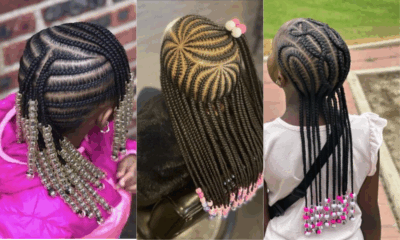


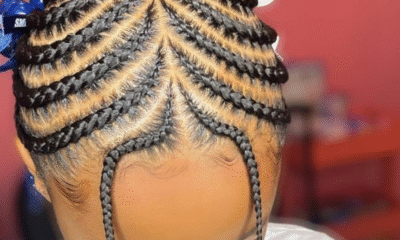


Black kids’ hair is unique in structure and texture. You need to first understand the culture behind women’s black hair. It usually shows tight coils and kinks. This type of hair is more prone to dryness. This can cause problems like breakage and dandruff, slowing down hair growth. The natural oils in the hair find it hard to move down the hair shaft because of its tight curl pattern. This leads to dry and brittle hair. Keeping the hair well-moisturized is key. The LOC method, which stands for Liquid, Oil, Cream, helps lock in moisture.
Hair Types and Curl Patterns: 3A to 4C
Hair texture is classified into different types based on curl patterns, ranging from loose waves to tight coils. These patterns are mainly genetic and help determine the best hair care practices.
ALSO READ; 10 Common Black Kids’ Hair Problems & Fixes
Type 2: Wavy Hair
- 2A: Fine, thin waves that are easy to manage.
- 2B: Medium-textured waves that may frizz slightly.
- 2C: Coarse, thick waves that have a more defined “S” shape.
Type 3: Curly Hair
- 3A: Loose, spiral curls with a soft texture.
- 3B: Tighter, bouncier curls with more volume.
- 3C: Corkscrew curls that are densely packed and more prone to shrinkage.
Type 4: Coily Hair
- 4A: Tight coils with a defined “S” pattern.
- 4B: Z-shaped coils that are less defined but springy.
- 4C: Tightly coiled strands with minimal definition and the highest shrinkage
ALSO READ: Protect Black Kids’ Hair from Chlorine Damage

Hair Porosity and Its Impact on Hair Care
Porosity refers to how well hair absorbs and retains moisture. It plays a key role in product selection and maintenance routines.
Low Porosity
- Cuticles are tightly packed, making it hard for moisture to penetrate.
- Best suited for lightweight, water-based products and steaming techniques to open the cuticles.
Medium Porosity
- Hair absorbs and retains moisture efficiently.
- Benefits from balanced hydration, regular conditioning, and occasional protein treatments.
High Porosity
- Hair absorbs moisture quickly but loses it just as fast, often leading to dryness and frizz.
- Requires intense moisture retention techniques, such as layering creams and sealing oils.
Knowing a child’s hair porosity helps in selecting suitable shampoos, conditioners, and treatments for healthy and manageable hair.
Best Styling Cream
Argan Oil of Morocco Curling Perfection Curl
Best Smoothing Spray
Moroccanoil Frizz Shield Spray
Best Hair Oil
L’ANZA Kertain Healing Oil
ALSO READ: The Best Hair Care Routine for Every Hair Type
Why Black Hair Requires Special Care
Black Kids’ Hair is different from straight, Caucasian hair because of its unique structure. It’s made up of the cuticle, cortex, and medulla. The cuticle is like a shell that shields the hair. In black hair, this cuticle is often raised. This causes a problem. It’s hard for natural oils to spread down the hair. This leads to dry, frizzy, and easily broken hair.

Best Hair Care Practices for Black Kids
1. Moisturizing is Key
Hydration is essential for coily and curly hair. Use water-based leave-in conditioners and natural oils like coconut, jojoba, or shea butter to seal in moisture.
2. Gentle Cleansing
Wash hair with sulfate-free shampoos to prevent stripping natural oils. Co-washing (using conditioner instead of shampoo) can also help maintain moisture balance.
3. Protective Styling
Braids, twists, and cornrows help protect hair from breakage and moisture loss. Avoid overly tight styles that can cause tension and damage.
4. Detangling with Care
Use a wide-tooth comb or fingers to detangle damp hair, starting from the ends and working up. A detangling spray or conditioner can help reduce breakage.
5. Nighttime Protection
Use a satin or silk bonnet, pillowcase, or scarf to protect hair from friction and moisture loss while sleeping.
6. Regular Trims
Trimming split ends every 6-8 weeks helps prevent breakage and keeps hair looking healthy.
ALSO READ: Best Hair Care Products for Black Kids’ Hair


Black Kids’ Hair
Hairstyles are more than just looks for black kids. They show who they are and where they come from. These styles come from a long story and mean a lot. But, not everyone has always liked them in America. Some bosses used to say no to jobs because of these hairstyles.
Understanding the Cultural Significance of Black Hairstyles
Learning about different hairstyles is key for black kids. It helps them connect to their culture. They may see braids, cornrows, or afros as more than just looks. These styles show how strong and creative their community is.
Conclusion
Caring for Black kids’ hair is essential. It’s about understanding its unique texture and needs. When we learn about Black hair, we can help kids have healthy, beautiful hair. It’s also important to teach them to be proud of their hair. Black hair is a big part of Black culture.
Celebrating the diversity of Black Kids’ Hair is key. It helps empower Black youth and builds self-love. We can achieve this by sharing educational info and providing a supportive space. This way, Black children will embrace their natural hair with pride.
FAQ
What makes black hair so unique?
Black hair is unique in structure and needs special care. It is often coily and prone to dryness. This can cause problems like breakage and dandruff. The tight curl pattern makes natural oils struggle to reach hair ends, leading to dryness and brittleness.
What are the main types of black hair?
Black hair comes in Types 3 and 4. Type 3 includes waves (3A) to loose curls (3B) to springy curls (3C). Type 4 is very curly, from looser coils (4A) to tighter coils (4B) down to a kinky pattern (4C) with no defined curls.
How should black hair be washed and moisturized?
Black hair needs a different wash routine compared to straight hair. It’s best to wash it only once a week, or less. This helps retain moisture. A co-wash, mixing conditioner with shampoo, is better than regular shampoo. After washing, use leave-ins, oils, or the LOC method to lock in moisture.
The LOC method stands for Liquid, Oil, Cream.
What are some tips for detangling and combing black kids’ hair?
Detangling requires patience and the right tools for black hair. Never comb it dry to avoid breakage. Start from the tips using a wide-tooth comb. Working in sections, use a leave-in or detangler to make it easier. Be gentle to avoid pain and reduce tangles.
What are some styling options for black kids’ hair?
Black kids’ hair can be styled in many ways. Caution is needed with heat styling, which should be minimal. Protective styles like braids help prevent damage when done correctly. Natural curls and afros are also great options, using proper moisture and care.
Why is the cultural significance of black hairstyles important?
Black hairstyles are key to cultural and personal identity. Unfortunately, not all American society values them. Knowing the importance of these hairstyles is crucial for Black children. It helps them be proud of their natural hair’s texture and look.
HAIR CARE
How To Protect Your Black Kids’ Hair While Swimming

Swimming is fantastic, but we should also ensure Black Kids’ Hair stays Strong. Healthy hair helps her build confidence and have fun at the same time.
However, for Black children, regular exposure to chlorinated water can lead to extreme dryness, breakage, Tangles and even texture changes. Black hair, particularly coily and curly textures, thrives on moisture, but chlorine strips away natural oils, making hair vulnerable to damage.
The good news? With a simple yet effective hair care routine, you can protect your child’s hair from chlorine damage and keep it healthy and hydrated throughout their swimming lessons. This guide covers the best pre-swim, during-swim, and post-swim care practices to prevent breakage and retain moisture.
ALSO READ: Best Hair Care Products for Black Kids’ Hair
How to Protect Your Black Kids’ Hair from Chlorine
Before Swimming
- Rinse Hair with Fresh Water:
- Wetting your child’s hair with clean water before swimming reduces its ability to absorb chlorinated water.
- Apply a Protective Barrier:
- Use a leave-in conditioner, coconut oil, or shea butter to create a moisture-sealing layer over the hair.
- Opt for a silicone-based leave-in conditioner, which acts as a protective shield against chlorine.
- Style Hair in Protective Hairstyles:
- Loose hair absorbs more water and is harder to detangle later. Secure hair in braids, twists, or buns to minimize chlorine exposure.
- Use a Swim Cap:
- A well-fitting swim cap (preferably a silicone cap) offers an additional layer of protection. While it may not keep hair 100% dry, it significantly reduces direct chlorine exposure.
ALSO READ: 10 Common Black Kids’ Hair Problems & Fixes
During Swimming
- Encourage Minimal Submersion:
- If possible, have your child keep their head above water for most of the lesson to reduce prolonged exposure.
- Adjust Swim Cap When Needed:
- If water gets in, take a moment to adjust the cap for a better seal.


After Swimming
- Rinse Immediately with Fresh Water:
- As soon as the swim session is over, rinse your child’s hair with clean water to remove as much chlorine as possible.
- Use a Gentle Shampoo:
- Wash with a sulfate-free, moisture-rich shampoo or a chlorine-removing shampoo to prevent buildup.
- Limit shampooing to once or twice a week to avoid stripping the hair of natural oils.
- Deep Condition the Hair:
- Follow up with a hydrating conditioner to restore lost moisture.
- Use a deep conditioning treatment once a week, especially if your child swims frequently.
- Detangle Gently:
- Use a wide-tooth comb or a detangling brush while the hair is damp.
- Apply a detangling spray or leave-in conditioner to ease knots and prevent breakage.
- Seal in Moisture:
- Apply a lightweight oil (such as coconut, jojoba, or argan oil) to lock in hydration.
ALSO READ: Understanding Black Kids’ Hair
Weekly Maintenance for Swimmers
1. Deep Conditioning Treatment
Once a week, apply a rich deep-conditioning mask or a DIY coconut oil treatment for added moisture.
2. Apple Cider Vinegar Rinse (Optional)
For children with buildup, mix 1 part apple cider vinegar with 4 parts water and use it as a final rinse before conditioning. This helps remove chlorine residue and restore hair’s natural shine.
3. Protective Night time Routine
Have your child sleep with a satin or silk bonnet or pillowcase to retain moisture. Reapply a light leave-in conditioner or moisturizing spray if their hair feels dry.
ALSO READ: The Best Hair Care Routine for Every Hair Type
Final Thoughts
Swimming is a fantastic activity, and with the right haircare routine, Black parents can ensure their child’s hair stays healthy and strong. By using protective styles, moisture-sealing products, and proper cleansing techniques, you can prevent breakage and keep their hair looking and feeling great.
So let your little one enjoy their swim lessons with confidence—without the hair worries!
HAIR CARE
The Best Afronista Hair Care Routine for Every Hair Type

Did you know that human hair is categorized into four main types? Whether your hair is straight, wavy, curly, or coily, each type requires a unique hair care routine to maintain its health and vibrancy. Factors such as texture, density, porosity, and thickness all play a crucial role in determining Afronistato hair care.
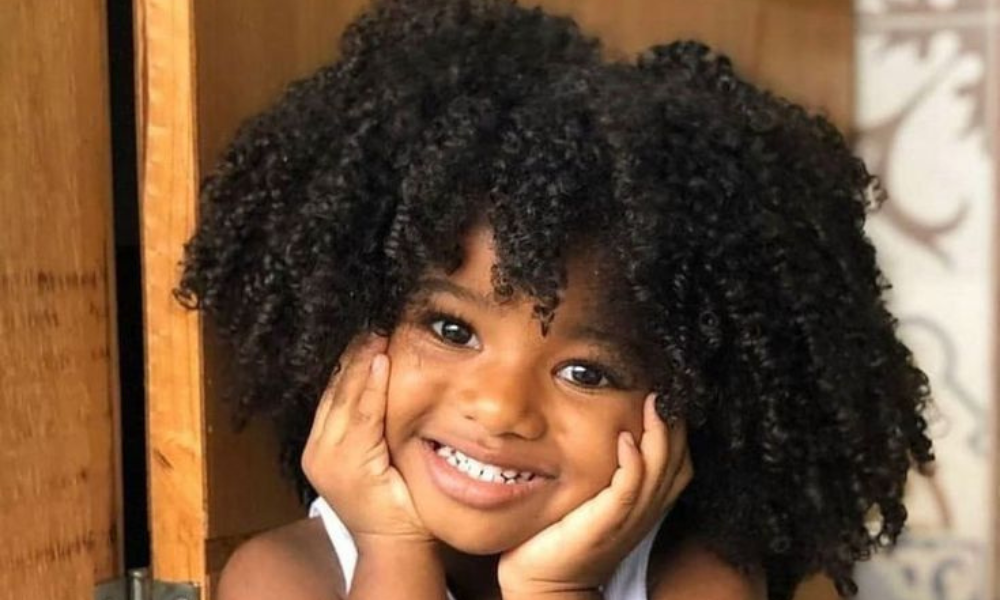
This guide will help you identify your hair type and create the ideal routine for nourished, healthy hair.
ALSO READ: Protect Black Kids’ Hair from Chlorine Damage
Identify Your Curl Pattern
Here’s a clear table comparing the different hair types and their characteristics:
Hair Type Description Subcategories Characteristics Type 1: Straight Hair Hair has no natural curl pattern and lays flat. 1A: Very fine, soft, and silky with little volume.
1B: Slightly thicker with somebody.
1C: Coarse, thick, and resistant to curling.Naturally shiny due to how easily oil travels down the strand. Prone to getting greasy quickly. Type 2: Wavy Hair Hair has an “S” shape with light to defined waves. 2A: Loose, barely-there waves, fine texture.
2B: More defined waves with some frizz.
2C: Thick, well-defined waves prone to frizz and some curls forming.Has a mix of straight and curly characteristics. Can be frizzy and needs moisture control. Type 3: Curly Hair Hair forms well-defined curls with a springy shape. 3A: Loose, large curls with shine.
3B: Tighter, bouncier curls with more volume.
3C: Corkscrew curls with lots of volume and shrinkage.Prone to dryness and frizz. Needs hydration and curl-enhancing products. Type 4: Coily/Kinky Hair Hair has tight coils or zigzag patterns with high shrinkage. 4A: Defined, springy coils that form an “S” shape.
4B: Z-shaped, less-defined curls with a cotton-like feel.
4C: Very tight, dense coils with the most shrinkage and minimal curl definition.The most fragile hair type, highly prone to dryness and breakage. Requires heavy moisture and gentle handling.
ALSO READ: Best Hair Care Products for Black Kids’ Hair
What is your hair Porosity
Low Porosity
Hair with low porosity has tightly closed cuticles, making it resistant to absorbing moisture. This means water tends to bead up on the surface of the hair, and products may sit on top rather than penetrating the strands.
People with low-porosity hair may find that their hair takes longer to get wet or absorb products. Although this type of hair is often shiny and smooth, it can also be prone to buildup, as products can easily accumulate without properly absorbing.
Recommended Items
Medium (Normal) Porosity
Hair with medium or normal porosity has a balanced structure where the cuticles are neither too tightly nor too loosely packed. This allows moisture to be absorbed at a steady rate, meaning the hair is more manageable and retains moisture without too much effort.
People with medium porosity hair often find that most hair products work well for them, and their hair responds well to different treatments, maintaining both its strength and flexibility.
Recommended Items
High Porosity
High porosity hair has more open or damaged cuticles, which means it absorbs moisture quickly but also loses it just as easily. As a result, this hair type can be more prone to dryness and frizz. High porosity hair often feels rough or bumpy when you run your fingers along a strand.
While it may take less time for high-porosity hair to get wet or absorb water, it can be difficult to maintain moisture balance without using heavier or more nourishing products.
ALSO READ: 10 Common Black Kids’ Hair Problems & Fixes
Recommended Items
Here’s a table that helps differentiate hair porosity types based on various tests:
| Test | Low Porosity | Medium Porosity | High Porosity |
|---|---|---|---|
| Float Test | Hair floats on the surface. | Hair stays in the middle of the glass. | Hair sinks to the bottom. |
| Strand Test | Strand feels smooth with little texture. | Strand feels somewhat smooth with slight texture. | Strand feels rough or bumpy. |
| Spray Bottle Test | Water beads up on the hair. | Water slightly absorbs. | Water absorbs quickly into the hair. |
| Absorption Test | Takes longer to absorb water. | Absorbs water at a normal rate. | Absorbs water quickly. |
| Showerhead Test | Takes longer to get wet, may need rubbing water in. | Gets wet in a normal time. | Gets wet quickly. |
This table highlights the key differences between low, medium, and high porosity hair based on the results from common hair porosity tests important for hair care.
ALSO READ: Understanding Black Kids’ Hair
Natural Hair Growth and anti-breakage Routine
Recommended Items

How to Style African Wear for Everyday Casual Looks

10 Best Afrocentric Couples Matching Sets

Ankara vs Kitenge: What’s the Difference & Which Should You Buy?

Understanding Black Kids’ Hair