
LUXURY STYLE
15 Best Afronista Show Stopper Brass Jewelry For Women

It’s about time to say hello to one of the most striking accessories. Not only does Brass Jewelry revamp your look, it also makes you look classy and smart. African ethnic jewelry has never looked better or more appealing, especially when paired with any attire. Elevate your outfits with these top-notch accessories.
1. Taji Mixed Metal Drop Earrings (Get It Here)

2. Makali Dangle Earrings (Get It Here).

ALSO READ: 15 African Print Stylish Shoes
3.Queen Africa Print Bib Necklace (Get It Here).

4. Tribal Boho earrings (Get It Here)

ALSO READ; 10 Must Have Breathtaking Summer Beach Time Outfits
5. Crystal Pearl Long Tassel Earrings (Get It Here).

6. Large Lotus Leaf Cuff Bracelet & Ring Set (Get It Here).

ALSO READ; 10 Must Have Classy Midi Dresses
7. Oversize Earrings (Get It Here).

8. Adjustable Brass Jewelry Chocker (Get It Here).

ALSO READ; Latest 2022 Stylish Cocktail Outfits For Women
9. Capped Quill Dangle Earrings (Get It Here).

10. Capricorn Necklace (Get It Here).

11. African Sunset Mustard Small (Get It Here).

12. Statement Spike Rigid Choker Necklace (Get It Here).

ALSO READ; How To Improve Your Self-Confidence By The Way You Dress
13. African Cuff Bracelet (Get It Here).

14.Bow Earrings (Get It Here).

15. Linea Stud Brass Jewelry (Get It Here).

CONCLUSION
If you want to avoid any and all fashion faux pas, then you need a pair of five accessories in your wardrobe. The wow effect is guaranteed when you Brass Jewelry your outfits any day.
ALSO READ: 10 FATHER’S DAY SENTIMENTAL GIFT IDEAS FOR FATHERS AROUND THE WORLD


LUXURY STYLE
Ankara vs Kitenge: What’s the Difference & Which Should You Buy?
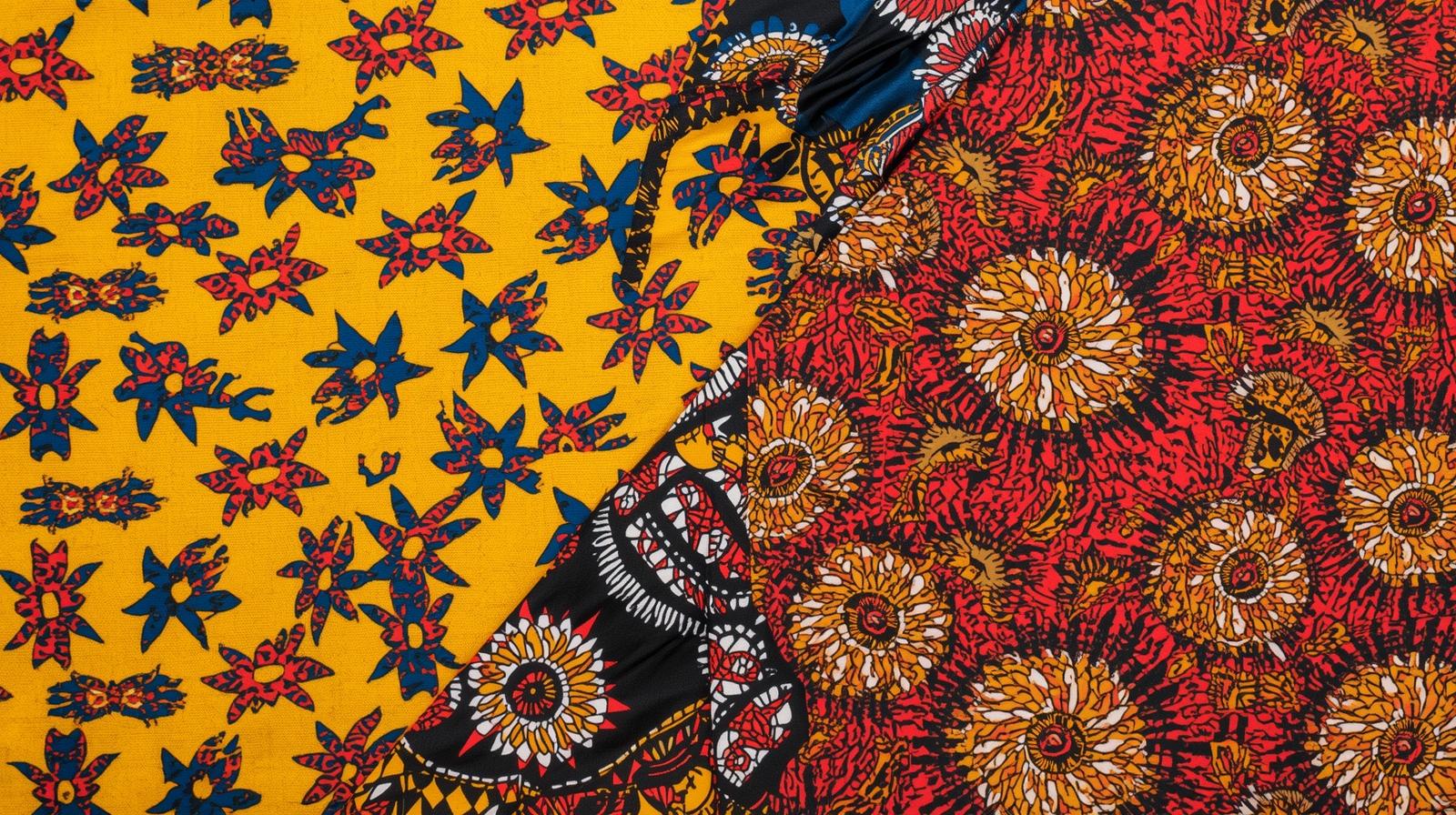
If you’re new to African fashion or shopping for African wear online, you’ve likely come across Ankara and Kitenge fabrics. At first glance, they may look similar—but they have distinct differences that can affect comfort, quality, price, and styling.
In this guide, we’ll break down the difference between Ankara vs Kitenge, explain when to choose each fabric, and help you decide which one is best for your wardrobe.
What Is Ankara Fabric?
Ankara is one of the most popular African print fabrics, especially in West Africa. It is typically made from 100% cotton and produced using a wax-resist dyeing process.
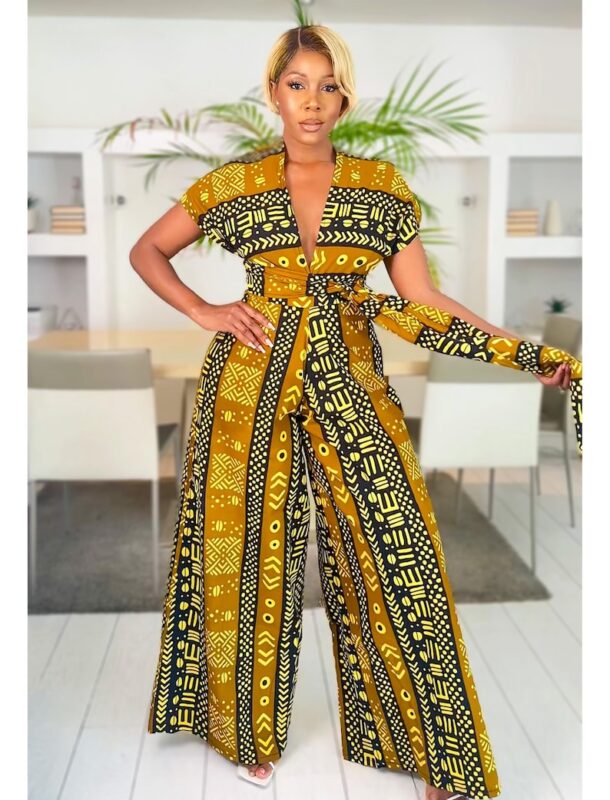
Key features of Ankara:
- Bold, vibrant colors
- Repeating patterns on both sides of the fabric
- Lightweight and breathable
- Widely available and affordable
Ankara is commonly used for:
- Dresses
- Skirts
- Tops
- Matching sets
Because it’s easy to wear and style, Ankara is ideal for everyday African outfits as well as special occasions.
👉 Affiliate opportunity: Link to Ankara dresses, skirts, and fabric collections.
What Is Kitenge Fabric?
Kitenge (also known as Chitenge in some regions) is especially popular in East and Southern Africa. While it may look similar to Ankara, Kitenge is often slightly thicker and more structured.
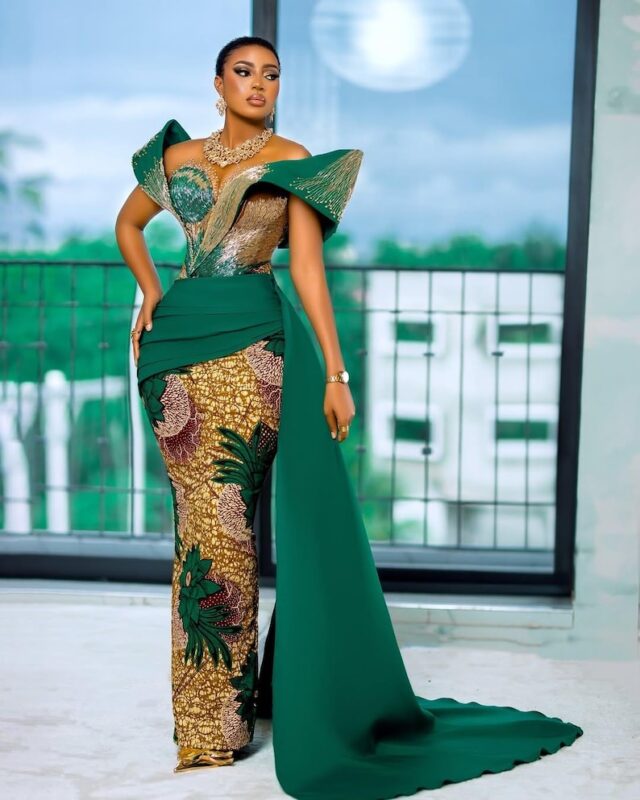
Key features of Kitenge:
- Rich, saturated colors
- Often stiffer fabric with a more formal feel
- High durability
- Strong cultural significance
Kitenge is commonly worn for:
- Traditional ceremonies
- Formal dresses
- Structured outfits
- Matching family or group attire
👉 Affiliate opportunity: Link to Kitenge outfits and premium African wear collections.
Ankara vs Kitenge: Key Differences at a Glance
| Feature | Ankara | Kitenge |
|---|---|---|
| Fabric weight | Lightweight | Medium to heavy |
| Comfort | Very breathable | Slightly stiffer |
| Best for | Casual & everyday wear | Formal & traditional wear |
| Price | Generally affordable | Often slightly more expensive |
| Popular regions | West Africa | East & Southern Africa |
Which Fabric Is Better for Everyday Wear?
If you’re choosing African wear for daily casual outfits, Ankara is usually the better option.
Why Ankara works for everyday wear:
- Softer on the skin
- Easier to move in
- Ideal for warm climates
- More versatile for casual styling
Kitenge, on the other hand, shines when you want a polished or traditional look that holds its shape throughout the day.
Which Fabric Lasts Longer?
Both fabrics can last a long time if cared for properly, but Kitenge tends to be more durable due to its thicker weave.
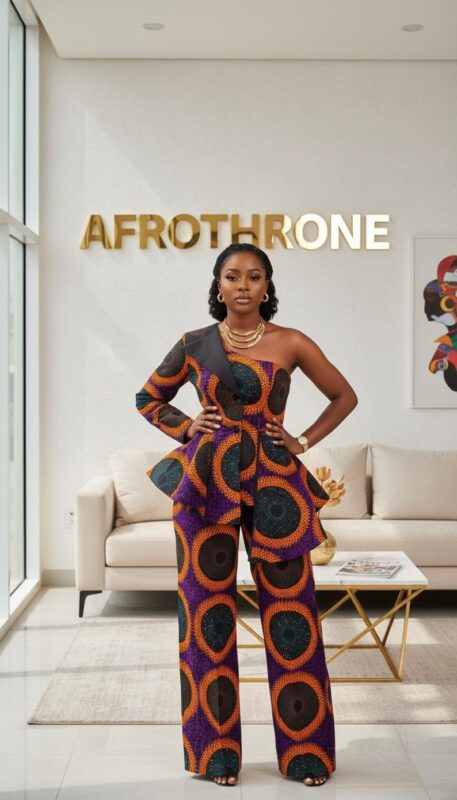
Longevity tips for both fabrics:
- Wash in cold water
- Avoid harsh detergents
- Air-dry when possible
- Turn garments inside out before washing
Ankara vs Kitenge: Which Should You Buy?
Choose Ankara if:
- You want casual African wear
- You’re building an everyday wardrobe
- You prefer lightweight fabrics
- You’re shopping on a budget
Choose Kitenge if:
- You want structured, formal outfits
- You’re attending cultural or ceremonial events
- You prefer heavier fabrics
- You want long-lasting statement pieces
👉 Affiliate opportunity: Add side-by-side product comparisons showing Ankara vs Kitenge outfits.
ALSO READ: How To Improve Your Self-Confidence By The Way You Dress
Can You Style Ankara and Kitenge the Same Way?
Yes—but with slight adjustments.
- Ankara pairs well with sneakers, flats, and minimal accessories
- Kitenge looks best with heels, sandals, or structured shoes
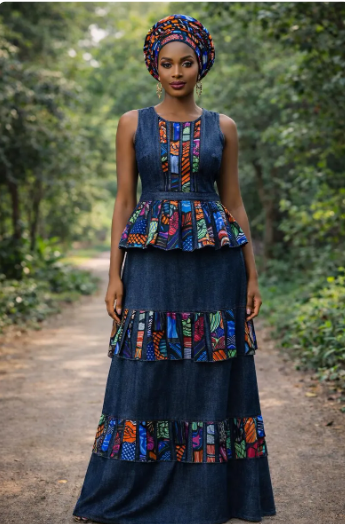
- Ankara works well with denim layers
- Kitenge benefits from clean, polished styling
Final Thoughts: Ankara vs Kitenge
Both Ankara and Kitenge are beautiful expressions of African fashion. The best choice depends on how often you’ll wear it, the occasion, and your personal style.
If you’re just starting out, Ankara is the easiest and most versatile option. If you’re ready to invest in statement pieces, Kitenge is worth adding to your collection.
👉 Explore our curated Ankara and Kitenge outfits to find the perfect fit for your style.
LUXURY STYLE
Afrocentric Luxury as the Next Frontier in Sustainable Fashion

African fashion is rewriting the rules of global luxury design, propelled by a new generation of designers who intertwine the continent’s cultural richness with cutting-edge creativity. Afrocentric luxury is more than an aesthetic—it’s an authentic expression of identity, sustainability, and innovation that is reshaping the future of haute couture and conscious consumerism.
ALSO READ: 8 Female Designers Shaping African Fashion Global Style
The Power of Identity and Craftsmanship
At the heart of Afrocentric luxury lies a deep sense of identity and storytelling. African designers are reimagining luxury through a cultural lens, transforming traditional artistry into contemporary masterpieces.
From Ghana’s Christie Brown to South Africa’s Rich Mnisi, these visionaries blend indigenous techniques, handwoven textiles, and bold patterns with modern silhouettes, proving that Africa’s heritage can coexist with global sophistication.
Their collections celebrate authenticity—rooted in the textures, colors, and narratives of the continent—while pushing the boundaries of design innovation. The result is a new kind of luxury: one that honors ancestry and craftsmanship while speaking fluently to the global fashion elite.

ALSO READ: 15 Jewelry Statement Pieces To Showcase Your African Heritage
Celebrity Endorsement and Global Reach
The world has taken notice. International icons like Beyoncé, Naomi Campbell, and Zendaya have championed African brands, helping propel them into the luxury mainstream. Beyoncé’s collaboration with designers such as Tongoro and Loza Maléombho, for instance, placed African design at the center of pop culture, while Naomi Campbell’s advocacy for African fashion weeks has brought global visibility to the continent’s creative scene.
This international spotlight has shifted perceptions—Africa is no longer seen merely as a source of raw materials but as a creative powerhouse, producing some of the most original, luxurious, and ethically made fashion in the world.
ALSO READ: Six African Icons Designers Reshaping Global Fashion in 2025
Sustainable Innovation: The Core of Afrocentric Luxury
Beyond style and visibility, sustainability forms the backbone of Afrocentric luxury. African designers are pioneering ethical and environmentally conscious practices that challenge the fast fashion model dominating global markets.
Many brands emphasize slow fashion, using locally sourced fabrics, natural dyes, and biodegradable materials. Emerging technologies are also reshaping the industry.
AI-driven design, digital sampling, and 3D printing are being integrated with traditional handcraft, allowing designers to reduce waste while preserving artisanal techniques passed down through generations.
This unique blend of innovation and heritage positions African fashion as a leader in sustainable luxury, appealing to a new generation of environmentally aware consumers.

The Expanding African Luxury Market
Africa’s luxury market is booming. Projected to reach $6.44 billion by 2025, cities like Lagos, Nairobi, and Cape Town are becoming vibrant luxury hubs. High-end malls, concept stores, and local fashion districts are redefining how African consumers engage with luxury.
At the same time, the rise of e-commerce and digital marketing has enabled African brands to connect directly with global audiences. This growth not only strengthens local economies but also positions Africa as a formidable player in the international luxury market—one that leads with sustainability, creativity, and cultural pride.
Conclusion : Redefining Global Luxury Through African Eyes
African fashion is not merely an emerging trend—it is the future of global design. By merging tradition, innovation, and sustainability, Afrocentric luxury is setting new standards for what true luxury means in the 21st century.
As the world gravitates toward ethical consumption and cultural authenticity, Africa stands at the forefront, offering a model where luxury is both beautiful and responsible. Afrocentric luxury embodies a vision of the future where craftsmanship, community, and consciousness coexist—redefining global fashion from the roots up.
LUXURY STYLE
How African Fashion Brands Are Outsmarting Western Giants
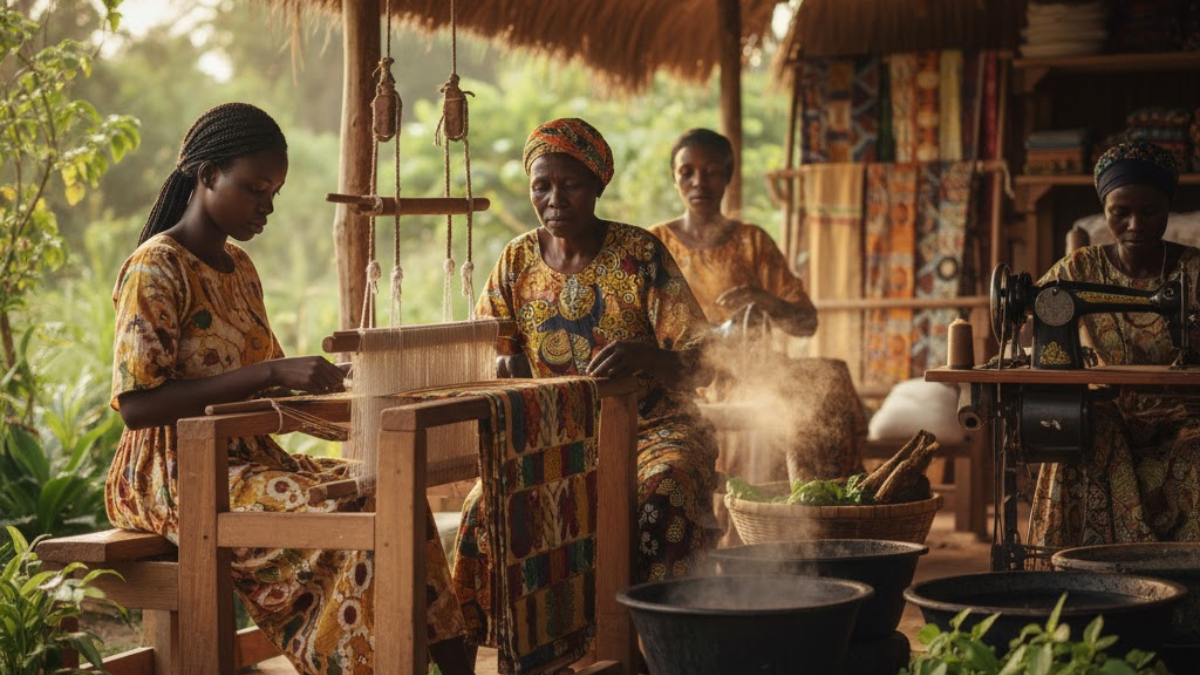
African fashion is no longer confined to local markets—it’s redefining luxury and innovation worldwide. From Lagos to Paris, Nairobi to London, designers across the continent are blending heritage with modernity, captivating global audiences, and outperforming Western giants.
From Ankara and Kitenge to Mudcloth and Kente, these designers are reclaiming African aesthetics from being seen as “ethnic” to being recognized as luxury, modern, and global. But as the global appetite for African fashion grows, so does the need for strategic brand positioning — one that balances authenticity with scalability, tradition with technology, and culture with commerce.
If you are building a new African fashion label, this guide will show you how to transform your creative vision into a sustainable, world-class brand.
1️⃣ Tell Your Story — Authenticity Is Your Luxury
Your heritage is your greatest creative asset. African designers are winning global hearts by embracing their roots—through fabrics, patterns, and stories that carry meaning.
Use your brand to celebrate identity, history, and values. Whether you design with Kente, Adire, or Ankara, each fabric tells a story of origin and culture. Western fast fashion may copy prints—but not purpose.
Pro Tip: Develop a “brand story” page on your website that shares your inspiration and heritage. Customers buy emotion, not just fashion.


2️⃣ Innovate Sustainably — Design for the Future
Sustainability is the heartbeat of modern fashion—and African designers are naturally positioned to lead. Traditional craftsmanship already embodies sustainable practices: hand-dyeing, weaving, and minimal waste production.
Embrace eco-friendly textiles such as organic cotton, raffia, or recycled materials. Partner with artisans and cooperatives to promote ethical employment and preserve craft heritage.
ALSO READ: 8 Female Designers Shaping African Fashion Global Style
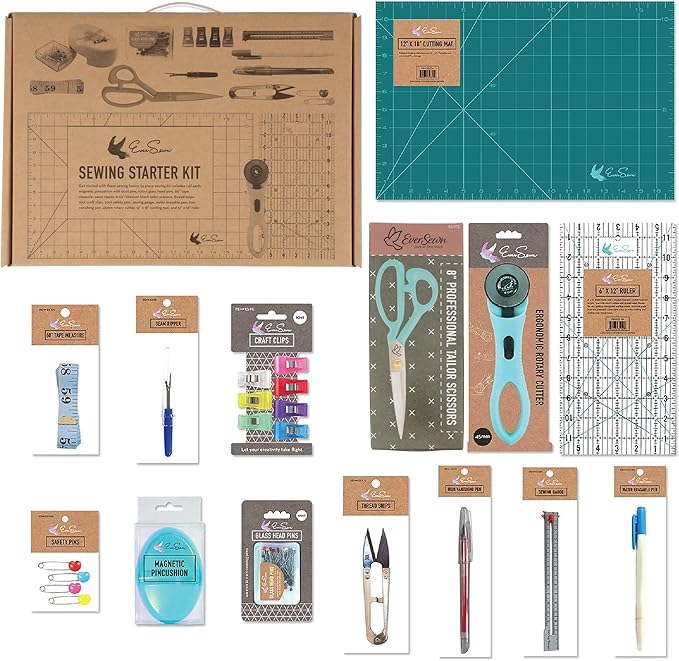
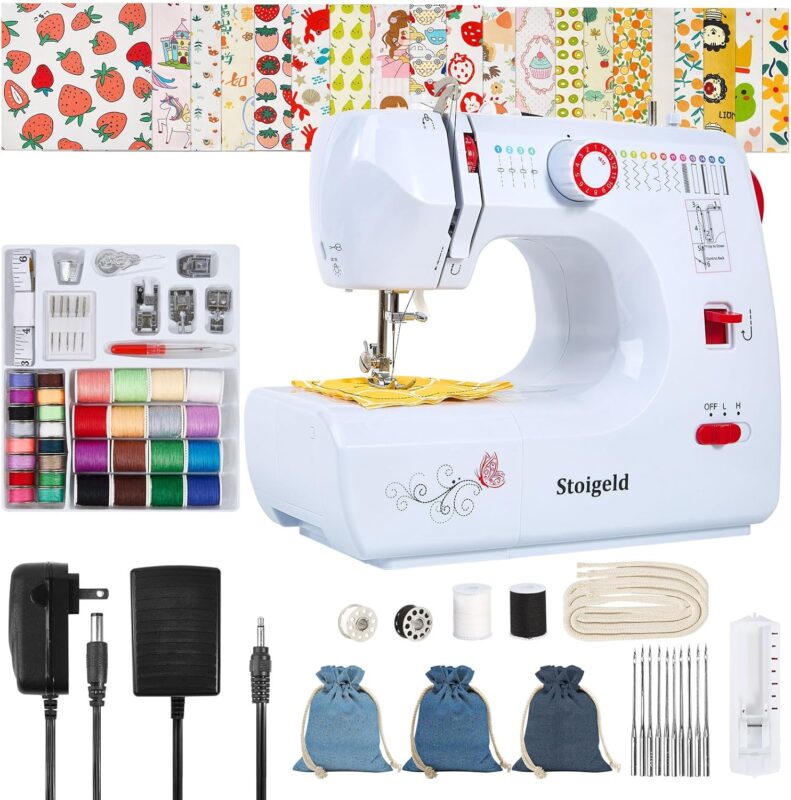
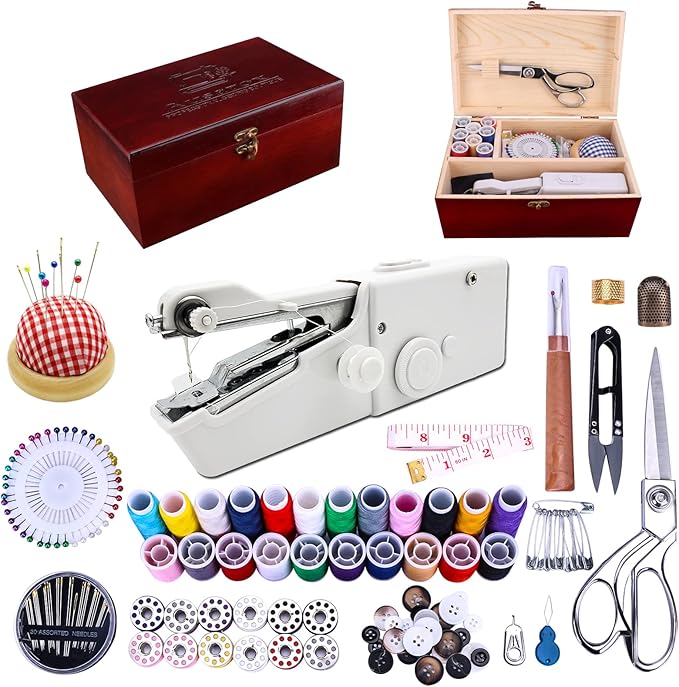
- Eco-Friendly Sewing Kits for Designers – perfect for small-batch sustainable collections.
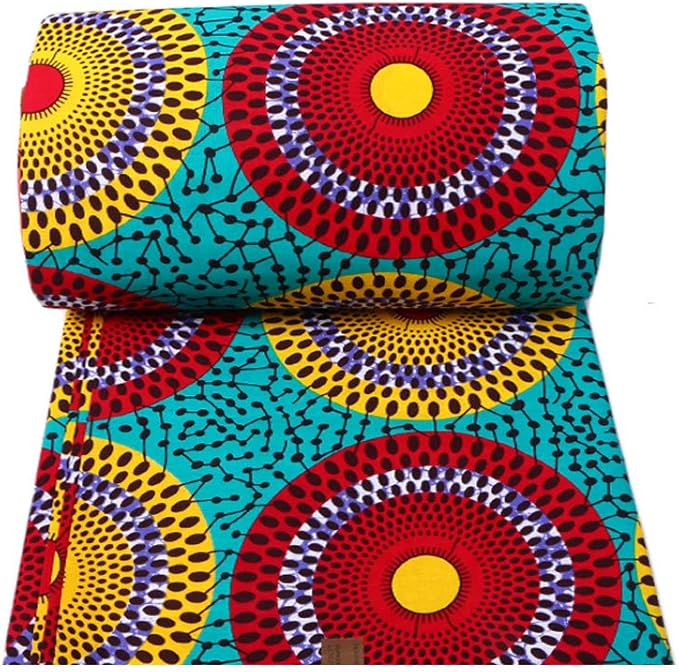
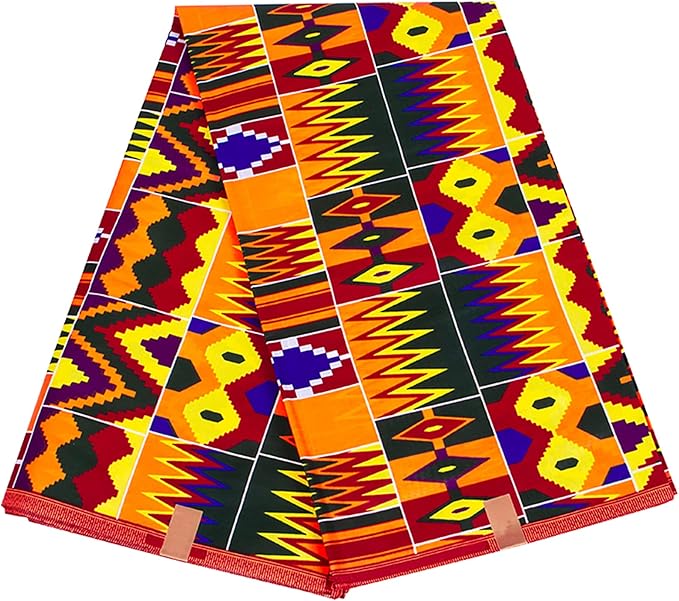
- Organic African Cotton Yards on Etsy – ideal for eco-conscious designers.
- Natural Dye Starter Kit – create earthy, chemical-free hues in your studio.
3️⃣ Master the Digital Runway
In today’s market, your Instagram feed is your runway. African fashion entrepreneurs are leveraging social media and e-commerce to reach global buyers with minimal cost.
New designers can start small—posting authentic, well-lit visuals that showcase craftsmanship. Established brands should invest in e-commerce platforms like Shopify or Wix to sell internationally and accept diverse payment methods.
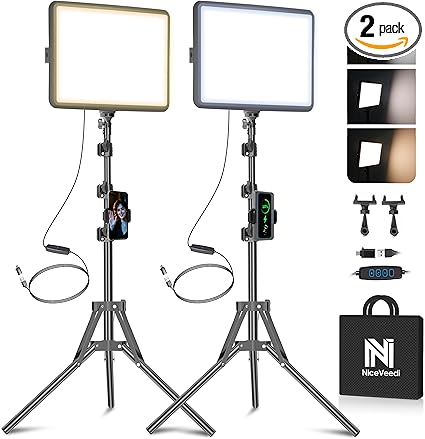
- Content Creator Lighting Kit – achieve studio-quality photos and videos.
4️⃣ Network Beyond Borders
Visibility is currency in fashion. Join African fashion weeks (like Lagos, Dakar, Johannesburg, or Accra) and participate in international collaborations. Partner with stylists, diaspora influencers, and global fashion media to amplify your voice.
Collaborations help your brand cross markets—and continents.
- Online Fashion Business Course – Skillshare – learn branding, merchandising, and marketing.
- Compact Travel Sewing Machine – stay creative during travel or pop-up exhibitions.
5️⃣ Balance Heritage with Smart Business
Artistry must meet strategy. African fashion success stories—like Tongoro Studio, Orange Culture, and Christie Brown—combine strong creative direction with business discipline.
Invest in:
- Digital bookkeeping
- Supply chain optimization
- Pricing strategy analysis
- Excellent customer care
- QuickBooks for Small Businesses – track sales and expenses easily.
- Inventory Management Templates – keep production organized.
- Adobe Illustrator Fashion Design Software – perfect for pattern creation and digital sketches.
ALSO READ: Top 10 African swimsuit designers to checkout


6️⃣ Build Resilience Through Collaboration
Fashion thrives on community. African designers can overcome resource challenges through shared studios, cooperatives, and partnerships. Pooling resources reduces costs while increasing production capacity.
Explore funding opportunities from:
- African Development Bank’s creative grants
- Tony Elumelu Foundation
- Mastercard Foundation Creative Enterprise support
Collaboration doesn’t dilute creativity—it amplifies it.
7️⃣ The Future: African Fashion as Global Luxury
Luxury is being redefined—and it now speaks with an African accent. Consumers want craftsmanship, culture, and conscience—values Africa offers in abundance.
Brands like Imane Ayissi, Lukhanyo Mdingi, and Thebe Magugu prove that African fashion isn’t an emerging category—it’s a leading one.
For entrepreneurs, the moment is now to create, scale, and globalize. For established designers, the mission is to refine, innovate, and expand sustainably.
✨ Conclusion: Lead the Next Fashion Renaissance
Africa’s fashion narrative is no longer confined to exoticism — it’s about innovation, influence, and identity. The world is watching, not out of charity, but out of admiration.
As you position your fashion brand, remember this: your story is your power, your quality is your passport, and your heritage is your crown.
The future of global fashion is being written in African fabric — and the next chapter begins with you.

How to Style African Wear for Everyday Casual Looks

Ankara vs Kitenge: What’s the Difference & Which Should You Buy?

30 Affordable Ankara Bags for Budget-Friendly Fashionistas

Top 30 Must-Have Black kids Hair Accessory

10 Best Afrocentric Couples Matching Sets
10 Best Afrocentric Couples Matching Sets
30 Affordable Ankara Bags for Budget-Friendly Fashionistas
Top 30 Must-Have Black kids Hair Accessory
Ankara vs Kitenge: What’s the Difference & Which Should You Buy?
How to Style African Wear for Everyday Casual Looks
-

 KIDS HAIRSTYLES7 months ago
30 Easy and Adorable Back to School Hairstyles For Kids
-
 KIDS HAIRSTYLES5 months ago
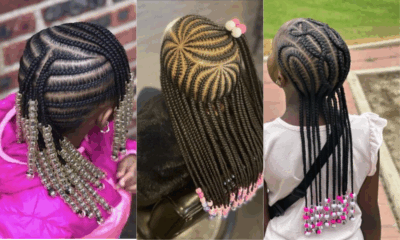
20 Back to School Hair style for Black Kids hair
-

 WEDDING12 months ago
30 African Wedding Dresses That’ll Leave Everyone Speechless!
-

 KIDS HAIRSTYLES8 months ago
20 Cornrow Braids For Christmas For kids With Natural Hair